
Veterinary Medicine Updates, Key Trends, Challenges, and Innovations
Whats happening in the veterinary world right now?
The veterinary profession is undergoing a period of rapid change across the United States. From ongoing staffing shortages and rising burnout levels to shifting expectations among new graduate and the steady rising of corporate practice models, the industry is evolving on multiple fronts at once. At the same time, compensation trends, workplace wellbeing initiatives, and the early adoption of technology and AI are reshaping how veterinary teams operate day to day.
This blog takes a closer look at the key forces currently shaping the veterinary landscape in 2026, and what they mean for practices, professionals, and the future of the profession as a whole.

Ongoing Staffing Shortages
Staffing shortages continue to be one of the biggest challenges facing veterinary practices across the United States. While the profession has seen growth in demand for veterinary services over the past several years, many clinics are still struggling to recruit and retain experienced veterinarians, veterinary technicians, and support staff.
The pressure is especially noticeable in rural communities, emergency hospitals, and speciality practices, where hiring timelines are often longer and competition for experienced veterinary professionals remains extremely high. The American Veterinary Medical Associate and USDA have both continued to highlight concerns around veterinary workforce shortages in underserved areas across the country.
At the same time, many practices are discovering that staffing challenges are no longer just about “finding more veterinarians”. Issues like employee retention, support staff shortages, appointment capacity, scheduling efficiency, and workplace culture are becoming equally important parts of the conversation. According to the 2025 AVMA Economic State of the Profession Report, workforce structure and support staffing continue to play a major role in overall practice performance and sustainability.
Organizations including the AVMA and the American Association of Veterinary Medical Colleges (AAVMC) are also continuing discussions around veterinary workforce development, student debt, rural access to care, and long-term recruitment strategies designed to strengthen the professions pipeline.
For employers, the current hiring market means practices are having to think more competitively about compensation, mentorship, scheduling flexibility, and long-term career development. For veterinarians, it means there are more career opportunities available than ever before, but also increasing pressure on spreading stretched teams.
In many ways, the staffing conversation in veterinary medicine has evolved beyond simple recruitment. Practices that invest in retention, team wellbeing, and operational efficiency are increasingly the ones best positioned to attract and keep top veterinary professionals.

Burnout, Reduced Hours, and “Exit Risk”
Mental health and burnout continue to be a major conversation across the US veterinary profession. While demand for veterinary services remains high, many veterinarians are reassessing how they want to work with some reducing clinical hours, moving into relief work, or leaving traditional practice entirely.
Long shifts, emotional fatigue, staffing shortages, difficult client interactions, and increasing administrative pressures are all contributing factors. In response, more veterinary professionals and employers are placing greater importance on sustainable workloads, mental wellbeing, and workplace culture.
Organizations such as Not One More Vet have become central voices in the conversation around veterinary mental health, peer support, and suicide prevention within the profession. NOMV now supports a global community of veterinary professionals through education, support programs, and workplace wellbeing initiatives.
The American Veterinary Medical Association Wellbeing Resources also continue to expand support tools for veterinarians, including burnout prevention resources, crisis support information, workplace wellbeing guidance, and peer assistance programs.
Many practices are also beginning to adopt more proactive wellbeing initiatives through programs like NOMV’s CLEAR Blueprint Certification which focuses on creating mentally healthier veterinary workplaces through structured support systems and culture improvements.
The shift happening across veterinary medicine is clear, compensation still matters, but long-term sustainability, flexibility, and many wellbeing are becoming equally important factors in career decisions for today’s veterinarians.
Corporate vs Independent Practice Dynamics
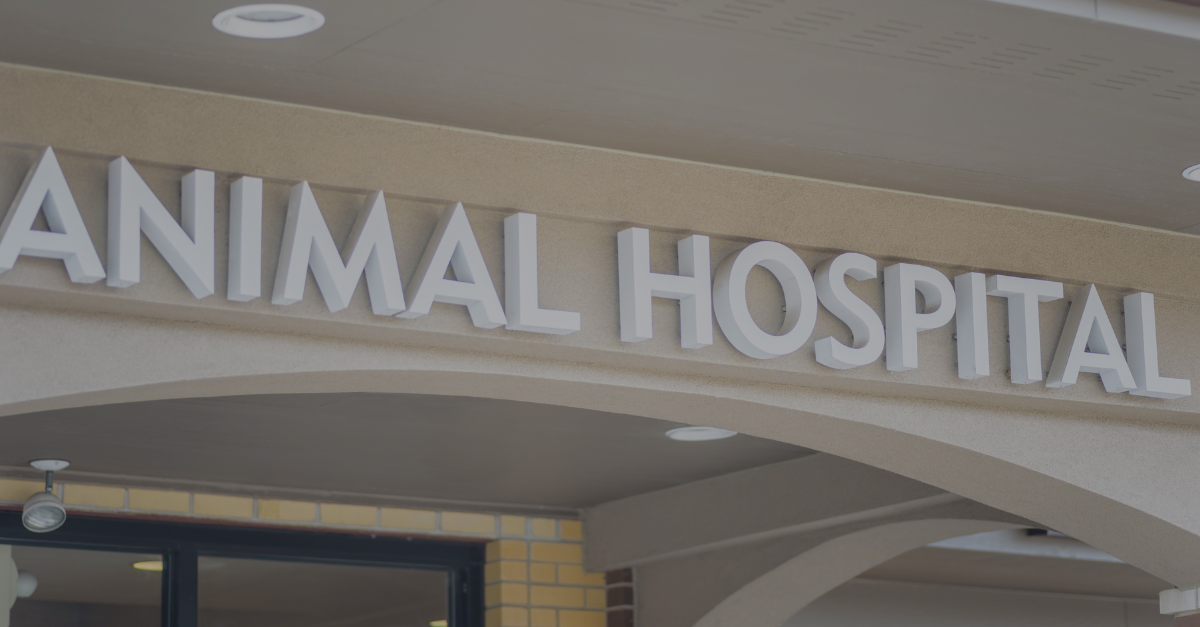
The conversation around corporate veterinary groups versus independently practices continues to shape the US veterinary job market in 2026. As large veterinary organizations continue expanding across the country, veterinarians are finding themselves with more employment options, but also more factors to consider when choosing the right practice environment.
Corporate groups including Mars Veterinary Health, VetCor, and National Veterinary Associates have continued to grow their presence through acquisitions and multi-location networks. These organizations often offer structured benefits, larger support systems, defined career pathways, and access to advanced equipment or specialty services.
At the same time time, independent veterinary practices remain a highly important part of the profession and continue to attract veterinarians looking for greater autonomy, closer client relationships, in-house leadership, and more individualized workplace cultures. Many privately owned animal hospitals are competing successfully by emphasizing flexibility, mentorship, decision-making freedom, and stronger community connection.
For today’s veterinarians, the decision is becoming less about which model is “better” and more about which environment aligns best with personal career goals, workload expectations, leadership style, and quality of life priorities.
The rise of corporate consolidation has also created boarder discussions across the profession around compensation structured, production models, scheduling expectations, noncompete agreements, and workplace culture. Organizations like the America Veterinary Medical Association continue to publish workforce and economic insights examining how these industry changes are impacting veterinary professionals nationwide.
For veterinary employers, this increasingly competitive landscape means that culture, leadership, transparency, and retention strategies are becoming major differentiators in recruitment. Candidates today are often evaluating far more than salary alone when considering new opportunities.
If you’d like to explore the pro’s and con’s of private vs corporate veterinary hospitals further, we recently covered the growing debate in more detail in our related blog post.

Compensation is Rising, But Not Solving Everything
Veterinary salaries across the United States have continued to rise in response to ongoing demand for qualified veterinarians and increasing competition for talent. Many practices are offering higher base salaries, sign-on bonuses, relocation assistance, and expanded benefits packages in an effort to attract and retain experienced professionals.
However, compensation alone is not solving many of the professions larger workforce challenges. Factors like burnout, workload pressure, staffing support, work-life balance, mentorship opportunities, and scheduling flexibility are continuing to play a major role in career decisions for today’s veterinarians.
Industry organizations including the American Animal Hospital Association continue to highlight the growing importance of workplace culture, team wellbeing, leadership, and retention strategies within veterinary practices. As hiring competition increases, many employers are recognizing that compensation is only one part of attracting and keeping top veterinary talent.
For many veterinary professionals, the focus is shifting towards finding positions that offer not only competitive pay, but also long-term sustainability, professional support, and complement their personal life and goals.
If you’re interested in learning ing more about what veterinarians are really earning right now in 2026, the highest paying specialties, salary trends, regional salary differences, and compensation expectations across the US market, you can also check out our recent blog here.

“New Generation”
expectations are now the norm
A new generation of veterinarians is reshaping expectations across the profession. While compensation remains important, many younger veterinary professionals are placing equal value on work-life balance, mentorship, mental wellbeing, flexible scheduling, and supportive workplace culture when evaluating career opportunities.
For employers, this shift is changing the way practices approach recruitment and retention. Structured onboarding, professional development opportunities, manageable workloads, and a positive team environments are becoming increasingly important competitive advantages in today’s hiring market.
Organizations like the American Animal Hospital Association and Not One More Vet (NOMV) continue to advocate for healthier, more sustainable workplace cultures within veterinary medicine, particularly as younger professionals prioritize long-term career sustainability.
At the same time, veterinary schools and leadership organizations such as the American Association of Veterinary Medical Colleges (AAVMC) are increasingly focused on wellbeing, leadership development, and supporting the next generation entering the profession.
For many practices, adapting to these changing expectations is quickly becoming essential for attracting and retaining top veterinary talent.

Tech & AI slowly entering workflows
Technology adoption in US veterinary medicine is accelerating, with many practices beginning to integrate digital tools, automation, and early-stage AI into everyday clinical and administrative workflows. While the profession is still in the early phases of transformation, the direction of travel is clear, efficiency, data support, and workflow optimisation are becoming increasingly important in both clinical and business settings.
Practice management platforms are evolving to include smarter scheduling, automated reminders, integrated client communication tools, and improved medical record handling. Alongside this, AI assistance tools are starting to support areas such as clinical documentation, imaging interpretation support, and triage workflows, helping reduce administrative burden and improve throughput in busy hospitals.
Groups such as innovation-focused veterinary networks like https://vetmedux.com are actively highlighting how digital transformation is reshaping practice efficiency and client experience across veterinary medicine.
At the same time, technology adoption is also influencing recruitment. Candidates are increasingly drawn to practices that use modern systems that reduce friction in daily work, support clinical decision making, and allow veterinarians to focus more time on patient care rather than administration.
While AI is not replacing clinical judgement, it is steadily becoming a support layer within veterinary workflows and practices that adopt these tools through fully are likely to gain an advantage in both operational efficiency and talent attraction.
The veterinary profession is entering a new era, one shaped by workforce challenges, evolving career expectations, technological innovation, and a renewed focus on wellbeing. For veterinarian and employers alike, understanding these shifts isn’t just interesting it’s essential for building successful, sustainable careers and practice in the years ahead.